Birds of North America Part 4 Watercolor: A Designer’s Honest Take
First Impressions: Soft, Artistic, and Ready for Real Projects
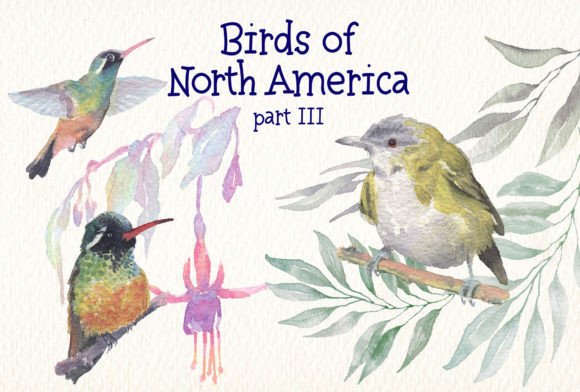
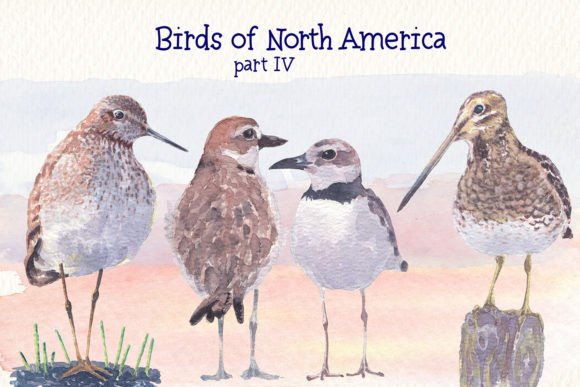
Opening up the Birds of North America Part 4 Watercolor embroidery file, I immediately noticed the gentle, painterly feel of the design. It’s not a sharp, hyper-detailed illustration, but rather a soft, flowing watercolor interpretation of North American birds — perfect for those looking to add a touch of artistry without overwhelming a garment or product.
As a designer who’s worked with hundreds of embroidery files, this one stands out for its organic flow and gentle gradients. The layout is balanced, with each bird rendered in a way that feels both realistic and whimsical. It gives off a nature-inspired vibe that’s ideal for boutique-style apparel, nursery decor, or personalized gifts.
Real-Life Use: How It Stitches and What It Works For
I tested the Birds of North America Part 4 Watercolor design on a cotton tote bag and a lightweight sweatshirt. The results were surprisingly clean. Even with the watercolor effect, the stitch definition held up well — especially in the feather details and wing contours. There was no noticeable bleeding or distortion, which is a big win for any machine embroidery design.
For small business owners and Etsy sellers, this design could be a solid addition to seasonal collections — think spring tote bags, personalized baby onesies, or embroidered kitchen towels. The color blending is subtle, so it pairs easily with a variety of thread palettes. Whether you're creating a boutique sweatshirt or a custom embroidered patch, this design adapts well.
Where It Shines: From Sweatshirts to Holiday Gifts
One of the most versatile aspects of Birds of North America Part 4 Watercolor is how it enhances a variety of products without overpowering them. On a neutral-toned sweatshirt, it adds a soft focal point. On a linen tea towel, it reads as a charming, handmade touch. For baby items like burp cloths or bibs, it brings a sense of gentle storytelling that parents love.
I also tested it on a curved cap surface, and while it required a bit more stabilizer than usual, the result was clean and professional. It would work well as a holiday embroidery design on a decorative pillow cover or as part of a wedding gift set — like a custom apron or tote.
Where to Be Careful: Fabric, Hoop Size, and Detail Sensitivity
That said, there are a few things to keep in mind before jumping into production. First, this design is detail-rich, especially in the feather strokes and background washes. If you're working with a small hoop size, you may need to simplify or resize the design to avoid losing clarity.
Also, be cautious with textured or stretchy fabrics. I noticed slight distortion on a ribbed knit sweatshirt unless I used a firm tear-away stabilizer. Thin or dark fabrics can also present challenges — the lighter watercolor tones may not pop as expected, or show through if the stitch density is too low.
If you're embroidering on curved surfaces like caps or baby booties, test the design first on a similar flat surface. You’ll want to ensure that the satin and fill stitches maintain their integrity before committing to a finished product.
Impact on Product Value and Customer Appeal
From a product presentation standpoint, Birds of North America Part 4 Watercolor adds a level of sophistication that many digital embroidery files miss. It's not just a bird — it's a piece of illustrated art that translates well into a stitched format. This elevates the perceived value of any item it's on, whether it's a personalized gift or a small shop product.
For Etsy sellers and craft entrepreneurs, that’s huge. Customers are drawn to unique, artistic touches that feel intentional and high-quality. This design gives that handmade look without requiring advanced digitizing skills. It also works well for brand consistency — especially if your shop leans into nature themes or artisanal aesthetics.
Designer Notes: Practical Tips Before You Stitch
Here are a few practical notes I picked up while working with this design:
- Test on scrap fabric first — especially if you're using a new stabilizer or fabric texture.
- Check thread color contrast — the watercolor effect relies on subtle shading, so choose thread wisely.
- Review stitch density — you may need to adjust settings for dark or stretchy fabrics.
- Confirm hoop size — don’t assume it fits your machine without checking.
- Inspect small details — some feather strokes may be too fine for small-scale use.
- Test in black and white mockups — helps visualize how it will look on neutral or monochrome items.
- Compare light and dark backgrounds — the design may need color tweaks for optimal visibility.
- Use proper stabilizer — especially for textured or stretchy materials.
- Check licensing — before selling finished items or including in digital product bundles.
Final Thoughts: Worth the Stitch?
Yes — with a few caveats. Birds of North America Part 4 Watercolor is a strong choice for designers and sellers who want to add a touch of illustrated elegance to their embroidery projects. It performs well across a range of products, from sweatshirt embroidery to holiday embroidery, and fits naturally into handmade shops, boutique branding, and Etsy listings.
As long as you test it thoroughly and understand its limitations with small hoop sizes and tricky fabrics, this design can become a go-to asset in your creative toolkit. Whether you're creating a custom embroidered patch or preparing printable mockups for digital product previews, it offers a unique visual appeal that elevates your finished product.