Flower Power Watercolor Graphics: A Designer’s Real-World Review
First Impressions: Soft, Lively, and Versatile
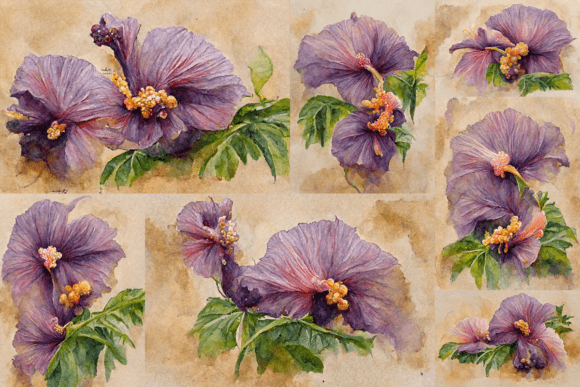
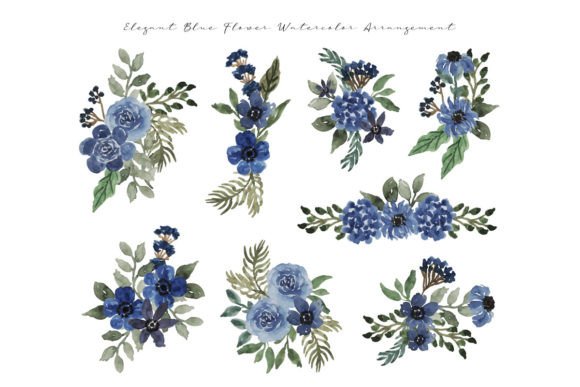
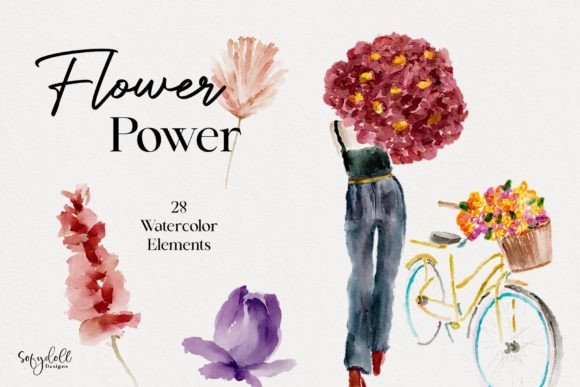
Opening the Flower Power Watercolor Graphics file, I was immediately struck by the soft, painterly aesthetic. This isn’t a bold, graphic illustration—it’s a delicate, flowing watercolor-style design that feels organic and hand-drawn. The color transitions are gentle, and the floral motifs blend seamlessly into one another. It gives off a calm, bohemian vibe that would suit handmade baby items, boutique tote bags, or even personalized tea towels.
From an embroidery designer’s perspective, the layout is balanced and not overly busy. There’s enough detail to catch the eye without overwhelming the fabric. The theme leans toward spring and summer, making it a solid choice for seasonal collections or custom gifts around those months.
Real-Life Use: How It Stands Up in Embroidery Projects
I tested the design on a few different product types to see how it translates from screen to stitch. Starting with a medium-weight cotton tote bag, the embroidery came through cleanly. The satin and fill stitches held their shape well, and the watercolor effect was still visible, even after stitching. It added a touch of elegance without looking too fussy.
When I moved to a sweatshirt, the texture of the fabric softened the edges slightly, but not in a bad way—it gave the design a more casual, lived-in look. That could be a plus for small shops selling cozy handmade apparel. On a baby onesie, though, I noticed that the finer details in the petals got a bit lost. It’s still usable, but you’ll want to test it on a similar fabric before committing to a full run.
Where to Use It Carefully
This design is best suited for larger hoop sizes. I wouldn’t recommend it for small hoop embroidery on caps or curved surfaces unless you're willing to simplify or resize significantly. The intricate lines and color blends tend to blur when scaled down, especially on textured or stretchy fabrics like performance wear or ribbed knits.
Dark fabrics also require a second look. While the original digital mockup shows up beautifully on white, the subtlety of the watercolor tones can get lost on black or navy. If you're planning to use this on darker backgrounds, test it with contrasting thread colors or consider a white underlay to maintain visibility.
Stitching Clarity and Fabric Choices
The stitch density is well-balanced—dense enough to hold the design shape but not so tight that it makes the fabric stiff. That’s a big plus for wearable items like t-shirts or aprons. I used a medium-weight tear-away stabilizer and had no puckering or distortion, even on a cotton-linen blend.
One thing to keep in mind: if you’re using this as a machine embroidery design for commercial orders, always test a few variations. I tried it with both matte and metallic threads and found that matte gave a more cohesive, watercolor-like finish. Metallic threads added flair but made the design look more illustrative than painterly.
Visual Appeal and Product Value
Flower Power Watercolor Graphics has a strong handmade appeal, which is perfect for Etsy sellers and small shop owners. The soft, artistic style gives a sense of craftsmanship, which customers often associate with quality and attention to detail. Used on a linen pillow cover or embroidered patch, it elevates the perceived value of the item without feeling overdesigned.
It also works well across multiple product types. I used it on a holiday gift set—tea towel, apron, and matching tote—and the continuity helped build a cohesive brand feel. That’s important for creative entrepreneurs trying to maintain a consistent visual identity across their product lines.
Practical Notes for Embroidery Designers
- Always test on scrap fabric before stitching on final products.
- Review thread color contrast, especially on dark or textured materials.
- Check stitch density to avoid puckering or fabric distortion.
- Confirm hoop size compatibility before starting a project.
- Inspect small details under magnification to ensure clarity.
- Try a black and white mockup to assess contrast and detail.
- Compare how it looks on light versus dark fabric backgrounds.
- Use appropriate stabilizer for the fabric type and weight.
- Verify if the design works for both personal and commercial use.
- Confirm licensing before selling finished products or digital files.
Best Use Cases for Flower Power Watercolor Graphics
This design shines in personalized gifts and boutique-style items. I found it especially effective on:
- Custom embroidered tote bags
- Handmade baby blankets and onesies
- Spring-themed pillow covers and tea towels
- Wedding favors and gift tags
- Women’s apparel like tunics or flowy dresses
- Small shop product packaging or tags
It also works well as a printable mockup for digital product previews, especially if you're selling embroidery files or custom design assets. The watercolor aesthetic appeals to a creative, design-conscious audience—perfect for digital embroidery file sellers looking to attract Etsy sellers and craft entrepreneurs.
Final Thoughts: A Thoughtful Addition to Your Design Kit
Overall, Flower Power Watercolor Graphics is a well-executed design that brings a soft, artistic touch to a variety of embroidery projects. It won’t overpower a garment or item, which is a big plus for small business owners who want to offer subtle, elegant customization.
Just be mindful of where and how you use it. Stick to medium to large hoop sizes, avoid overly textured or stretchy fabrics, and always test before production. If you're a designer or small shop owner looking to elevate your product line with a touch of artistry, this is a solid choice.