Inkwell and Pen for Writing Watercolor: A Designer’s Honest Review
First Impressions: Delicate, Timeless, and Perfectly Thematic
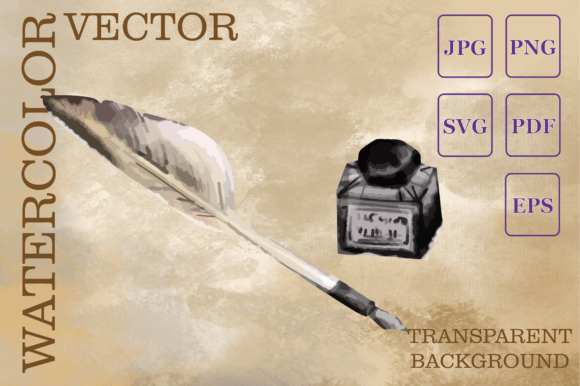
When I first opened the embroidery file for Inkwell and Pen for Writing Watercolor, I was struck by how effortlessly it captured the romantic, hand-drawn charm of vintage stationery. The design blends a classic inkwell with a quill pen, rendered in soft, flowing lines that mimic watercolor strokes. It’s not overly detailed, which makes it ideal for a wide range of embroidery projects without feeling too busy or hard to stitch.
From a design standpoint, this illustration has a soft, nostalgic mood. It would fit beautifully on items like embroidered aprons, personalized tote bags, or even custom nursery pillows. It’s the kind of design that feels both artistic and accessible—perfect for crafters who want to add a touch of elegance without overcomplicating their work.
Real-Life Use: From Tote Bags to Baby Bonnets
I recently tested Inkwell and Pen for Writing Watercolor on a custom embroidered tote bag for a small boutique client. The goal was to create a line of personalized gifts for writers, teachers, and book lovers. I used a medium-weight cotton canvas with a light stabilizer underneath. The result? Clean, crisp lines with just the right amount of texture to mimic the watercolor style.
- The satin stitches held well around the rim of the inkwell.
- Fill stitches in the pen’s shadow added depth without being too dense.
- The flowing lines of the quill translated beautifully into embroidery without losing their softness.
Next, I tried the design on a baby onesie, using a lightweight knit fabric. I was cautious due to the stretch, but with a lightweight cutaway stabilizer and a slightly reduced stitch density, the design came out surprisingly well. The softness of the illustration made it appropriate for a baby item—less whimsical than a cartoon animal, but still gentle and meaningful.
Where to Use It Carefully
While Inkwell and Pen for Writing Watercolor is versatile, it does have some limitations depending on the fabric and placement. Here are a few real-world notes to keep in mind:
- Small hoop sizes may cut off key elements like the trailing tip of the quill.
- On textured or nubby fabrics, some of the finer details may get lost.
- Dark fabrics require careful thread color selection to ensure visibility.
- It’s not ideal for curved surfaces like caps unless you’re willing to do some manual adjustments.
- On thin or sheer fabrics, the design may require a backing or a cover stitch to avoid puckering.
I also tried it on a stretchy cotton-blend sweatshirt and noticed slight distortion around the inkwell’s base. A quick test on scrap fabric beforehand would have saved me some time. Always test before committing to your final piece!
Visual Appeal and Design Value
One of the standout features of this design is how it enhances the perceived value of the finished product. Whether it’s stitched onto a boutique tote or a personalized tea towel, the watercolor aesthetic adds a touch of sophistication that elevates the item beyond a typical embroidered gift.
For Etsy sellers and small shop owners, this design helps with brand consistency if your niche leans toward literary, vintage, or handmade aesthetics. It reads as both handmade and professional, which is a delicate balance in the world of digital embroidery files.
From a customer’s perspective, the design feels gift-worthy. It’s not trendy or fleeting—it has a classic, almost timeless quality that makes it more likely to be cherished rather than regifted.
Designer Notes: Practical Tips for Best Results
As with any machine embroidery design, there are a few key steps I recommend taking before stitching Inkwell and Pen for Writing Watercolor into your next product:
- Test on scrap fabric first, especially if you’re using stretchy or textured material.
- Check thread color contrast—especially on dark fabrics. You may need to adjust colors for better visibility.
- Review stitch density if you’re using a lightweight fabric to prevent puckering.
- Confirm hoop size matches your machine and the intended project area.
- Inspect small details like the tip of the quill to ensure they stitch cleanly.
- Test in black and white mockups to see how the design translates without color.
- Compare light and dark backgrounds to understand how the design reads differently.
- Use proper stabilizer—especially for stretchy or thin fabrics.
- Verify licensing if you plan to sell finished items or include the design in digital product bundles.
Final Thoughts: A Solid Addition to Your Design Library
Overall, Inkwell and Pen for Writing Watercolor is a well-balanced embroidery design that bridges the gap between artistry and usability. It’s not overly complex, but it still carries enough visual interest to make your finished product stand out. Whether you’re creating personalized gifts, custom apparel, or Etsy listings, this design has a place in your toolkit.
As a designer who evaluates dozens of embroidery files each month, I appreciate when a design like this one works across multiple project types without needing major adjustments. It’s not just a pretty illustration—it’s a functional, flexible digital embroidery file that adds real value to your craft business or small shop product line.