Watercolor Shalat Illustrations: A Visual Designer’s Review for Real Content Publishing
First Impressions: Soft, Artistic, and Spiritually Inspired
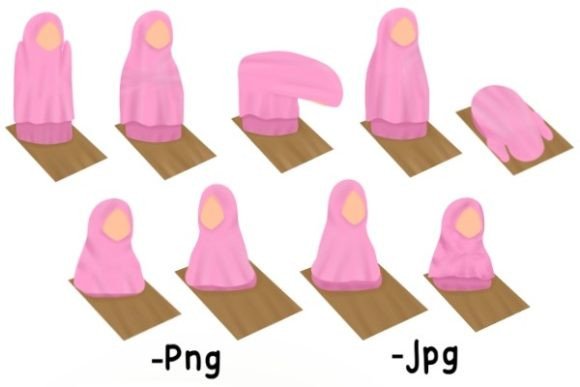
Opening the Watercolor Shalat Illustrations pack, I was immediately drawn to the soft, flowing brushstrokes and the gentle color palette. These illustrations evoke a sense of calm, mindfulness, and spiritual intention—perfect for content that centers around faith, wellness, or lifestyle topics. The watercolor texture gives a handcrafted, artistic feel, which feels more intimate and less digital than vector-based graphics. As a blog designer, I see these illustrations working best in content that wants to feel personal, reflective, and visually soothing.
Editorial Mood & Niche Alignment
The Watercolor Shalat Illustrations naturally lean toward a lifestyle-focused, spiritual, and artistic editorial tone. They’re ideal for blogs covering prayer, mindfulness, Islamic lifestyle, wellness routines, or personal growth. The softness of the watercolor complements content that wants to feel approachable, not overly formal. If your niche is about creating a peaceful digital space or guiding readers through meaningful rituals, these illustrations can help set that tone visually.
Real-World Publishing Uses
As a digital publisher, I’m always looking for design assets that are versatile and ready to deploy across multiple formats. Here’s how I’d use Watercolor Shalat Illustrations in real publishing workflows:
- Blog Featured Images: Use as background accents or central icons in post headers for a soft, spiritual vibe.
- Pinterest Graphics: These illustrations work beautifully in Pinterest pins, especially for faith-based or lifestyle content where a warm aesthetic is key.
- Newsletter Headers: Add a calming visual to your email banners to reflect a mindful or devotional theme.
- Downloadable Resources: Enhance digital guides, prayer journals, or reflection worksheets with these illustrations to maintain a consistent, branded look.
- Social Media Posts: Ideal for Instagram Stories or Facebook posts that focus on daily reflections, prayer times, or Ramadan content.
- Content Upgrades: Use in lead magnets like printable prayer guides or digital devotionals to increase perceived value.
How These Illustrations Support Content Performance
From a visual communication standpoint, Watercolor Shalat Illustrations can significantly boost your content’s appeal and effectiveness:
- Strong First Impression: The soft watercolor textures and spiritual motifs immediately communicate a specific tone and mood.
- Visual Hierarchy: Use these illustrations to highlight key sections or callouts within blog posts or digital guides.
- Click-Worthy Thumbnails: When used in Pinterest or social media visuals, they can make your content stand out in a feed.
- Brand Consistency: Repeating these design elements across blog graphics, newsletters, and social media builds a cohesive brand identity.
- Reader Trust: Professionally designed illustrations suggest quality and intentionality, increasing perceived authority.
- Category Recognition: Consistent use across faith-based or lifestyle content helps readers instantly recognize your niche.
Where These Illustrations Shine
These illustrations are best suited for:
- Hero Images: Especially when paired with minimal text overlays and soft backgrounds.
- Article Thumbnails: For lifestyle or spiritual articles where a gentle aesthetic supports the content’s tone.
- Pinterest Pins: Their visual warmth and cultural motifs make them eye-catching in visual search platforms.
- Newsletter Headers: Perfect for faith-based or wellness newsletters that want a human, handcrafted touch.
- Downloadable Resources: Enhance the visual quality of your digital products and lead magnets.
Where to Use with Caution
While these illustrations are beautiful, they’re not a one-size-fits-all solution. Be mindful of the following use cases:
- Small Mobile Thumbnails: The delicate brushstrokes may not render clearly on tiny screens.
- Text-Heavy Blog Images: Watercolor textures can reduce text readability if not layered properly.
- Low-Contrast Backgrounds: Ensure there’s enough contrast between the illustration and any text overlay.
- Busy Layouts: Avoid using these in complex layouts where they might get lost or clutter the design.
- Corporate or Minimalist Websites: These illustrations may feel out of place on ultra-modern or highly professional sites.
Publisher Notes: Practical Tips for Real-World Use
Before launching any content using Watercolor Shalat Illustrations, here’s what I recommend testing:
- Test on Desktop and Mobile: Check how the illustrations scale and render across devices.
- Preview as a Thumbnail: Make sure the key visual elements are visible and legible at small sizes.
- Try in a Real Blog Layout: Drop the illustration into your CMS or page builder to see how it integrates with your site’s design.
- Overlay with Headline Text: Ensure text remains readable when placed over the illustration.
- Check Contrast and Readability: Especially when using over light or dark backgrounds.
- Test in Black and White: See how the illustration holds up in grayscale for accessibility or print use.
- Pair with Different Fonts: Try with serif, sans-serif, script, and display fonts to find the best typographic match.
- Optimize File Size: Compress the images to ensure fast page load times without sacrificing quality.
- Confirm Licensing: Make sure the illustrations come with a commercial license for use on monetized sites or in paid digital products.
Final Thoughts: A Design Asset Worth Considering
For bloggers, digital publishers, and content creators in the faith, wellness, or lifestyle niches, Watercolor Shalat Illustrations offer a unique visual voice. They’re not just decorative—they help shape the emotional tone of your content and support a cohesive brand identity across your digital properties. Whether you're designing a new blog post, creating a downloadable prayer guide, or crafting a Pinterest strategy, these illustrations can elevate your visual storytelling and help your content feel more intentional, trustworthy, and engaging.